Elevate Your Space: Infusing Spiritual Serenity with Mandala Designs
In our fast-paced modern world, creating a sanctuary of peace and tranquility within our homes has become more important than ever. The spaces we inhabit directly influence our mental well-being, emotional stability, and spiritual growth. One of the most effective ways to transform your environment into a haven of serenity is through the incorporation of mandala designs. These ancient, sacred geometric patterns have captivated cultures across the globe for thousands of years, and their resurgence in contemporary interior design reflects a growing recognition of their profound ability to elevate both the aesthetic and spiritual dimensions of our living spaces.
At LilaBenson, we understand the transformative power of mandala designs and their capacity to infuse your home with spiritual serenity. This comprehensive guide will explore the multifaceted aspects of incorporating mandala designs into your space, from understanding their historical significance to practical applications that will help you create an environment that nurtures your soul while delighting your senses.
Understanding Mandalas: Ancient Wisdom Meets Modern Design
The Historical Significance of Mandala Designs
The word mandala originates from Sanskrit, meaning circle or disk. These intricate geometric patterns have been utilized in spiritual and religious practices for millennia, particularly within Hindu, Buddhist, and Islamic traditions. The mandala represents the universe in its entirety, symbolizing wholeness, unity, and the interconnectedness of all things. In Buddhist traditions, mandalas serve as meditation tools, guiding practitioners toward enlightenment and inner peace. Hindu mandalas often represent the cosmos and the divine, with each element carrying specific spiritual significance.
The creation of mandalas has long been considered a meditative practice in itself. Monks and spiritual practitioners would spend countless hours crafting these intricate designs, viewing the process as a form of moving meditation that brought them closer to spiritual awakening. The precision required to create a mandala, combined with the repetitive nature of the work, creates a state of mindfulness that quiets the mind and opens the heart to deeper spiritual awareness.
The Psychology Behind Mandala Designs
Beyond their spiritual significance, mandalas have a profound psychological impact on the human mind. The symmetrical nature of mandala designs naturally draws the eye inward, creating a focal point that encourages contemplation and introspection. Research in environmental psychology has demonstrated that exposure to symmetrical patterns and circular designs can reduce stress, lower blood pressure, and promote a sense of calm and well-being.
The circular structure of mandalas mirrors natural patterns found throughout the universe, from the spirals of galaxies to the rings of trees. This connection to natural patterns creates a subconscious sense of harmony and balance. When we surround ourselves with mandalas, we're essentially inviting the universe's inherent order into our personal spaces, which can have a deeply grounding effect on our nervous systems.
The Spiritual Benefits of Mandala Integration
Creating a Sacred Space
One of the primary benefits of incorporating mandala designs into your home is the creation of a sacred space dedicated to spiritual practice and personal growth. A sacred space serves as a refuge from the chaos of daily life, a place where you can reconnect with your inner self and cultivate a deeper relationship with the spiritual dimensions of existence.
When you intentionally design a space around mandala imagery, you're making a conscious declaration that this area is reserved for spiritual pursuits. This psychological boundary helps your mind transition into a more receptive, meditative state when you enter the space. Over time, your nervous system becomes conditioned to associate the space with relaxation and spiritual openness, making it easier to achieve states of deep meditation and inner peace.
Enhancing Meditation and Mindfulness Practices
Mandalas are exceptionally effective tools for meditation and mindfulness practices. The intricate patterns naturally guide the eye and mind through a journey of exploration, making them ideal focal points for meditation. When you gaze upon a mandala during meditation, your mind becomes absorbed in the patterns, allowing thoughts to settle and consciousness to expand.
Many practitioners find that meditating with mandalas helps them achieve deeper states of consciousness more quickly than other meditation techniques. The visual complexity of the design provides just enough stimulation to keep the mind engaged without overwhelming it, creating an optimal state for meditation. This is why mandalas have been used as meditation tools in spiritual traditions for thousands of years.
Promoting Emotional Balance and Healing
The geometric harmony of mandala designs has a naturally balancing effect on our emotional bodies. Each element of a mandala is perfectly positioned in relation to the whole, creating a sense of equilibrium and order. When we immerse ourselves in this visual harmony, our own emotional systems begin to align with this balanced state.
For individuals dealing with anxiety, stress, or emotional turbulence, mandalas can serve as powerful healing tools. The act of simply gazing upon a mandala can help regulate the nervous system, reduce racing thoughts, and promote emotional stability. Many people find that incorporating mandalas into their living spaces provides a subtle but consistent emotional support system that helps them navigate life's challenges with greater equanimity.
Practical Applications: Bringing Mandala Designs Into Your Home
Wall Art and Tapestries
One of the most popular and accessible ways to incorporate mandala designs into your space is through wall art and tapestries. A large mandala tapestry can serve as a stunning focal point in any room, instantly transforming the energy of the space. Whether you choose a traditional, intricately detailed mandala or a more contemporary, minimalist interpretation, wall-mounted mandalas create visual interest while promoting spiritual serenity.
When selecting mandala wall art, consider the color palette of your space and the specific energy you wish to cultivate. Warm colors like oranges, reds, and golds tend to energize and inspire, making them ideal for creative spaces or areas dedicated to personal growth. Cool colors like blues, purples, and greens promote calm and introspection, making them perfect for bedrooms or meditation spaces. Neutral mandalas in black, white, and gray offer a sophisticated, versatile option that complements any interior design style.
Textiles and Soft Furnishings
Mandala designs on textiles bring both comfort and spiritual energy into your living spaces. Mandala-patterned throw pillows, blankets, and cushions add layers of visual interest while creating cozy, inviting spaces. These soft furnishings serve a dual purpose: they enhance the aesthetic appeal of your home while subtly infusing your environment with mandala energy.
Bedding featuring mandala designs can transform your bedroom into a sanctuary of peace. Falling asleep surrounded by mandala patterns can promote restful sleep and encourage spiritual dreams. Similarly, mandala-patterned yoga mats and meditation cushions create a dedicated space for spiritual practice while keeping the mandala's energy close to your body during these important practices.
Decorative Objects and Functional Art
Beyond wall art and textiles, mandala designs appear in countless decorative objects that can enhance your space. Mandala-designed plates, bowls, and serving dishes bring spiritual energy into your dining experience. Mandala-patterned mirrors reflect light while creating visual depth, making spaces feel larger and more luminous. Mandala-inspired lighting fixtures cast beautiful patterned shadows that dance across your walls, creating an ever-changing meditation experience.
Functional art pieces like mandala-designed clocks, jewelry boxes, and storage containers serve practical purposes while maintaining the spiritual aesthetic. These items remind us that spirituality isn't separate from daily life but can be woven into every aspect of our existence. By surrounding ourselves with mandala designs in both decorative and functional objects, we create an environment where spiritual awareness becomes a natural part of our everyday experience.
Designing Your Mandala-Inspired Spaces
The Meditation Corner
Creating a dedicated meditation corner is one of the most effective ways to harness the power of mandala designs. This space should be quiet, comfortable, and visually centered around mandala imagery. Begin by selecting a corner of a room that receives natural light and is away from high-traffic areas. Position a meditation cushion or chair facing a mandala wall hanging or artwork.
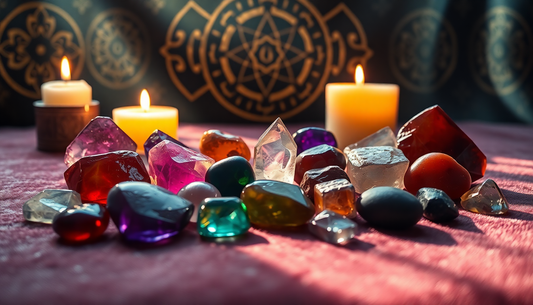
Enhance this space with additional mandala elements: place a mandala-patterned rug beneath your meditation seat, surround yourself with mandala-designed cushions, and perhaps add a small mandala-inspired altar with candles and crystals. The key is to create an environment where every visual element reinforces your intention to cultivate inner peace and spiritual awareness. When you sit in this space, you should feel immediately transported into a more meditative state.
The Bedroom Sanctuary
Your bedroom is your personal sanctuary, a space where you spend a significant portion of your life. Incorporating mandala designs into this intimate space can profoundly enhance the quality of your rest and your spiritual connection. Consider painting an accent wall with a large mandala design, or hang a substantial mandala tapestry as a headboard alternative.
Mandala-patterned bedding creates a cocoon of spiritual energy that surrounds you as you sleep. The geometric harmony of mandalas can influence your dreams, often leading to more vivid, meaningful dream experiences. Many people report that sleeping surrounded by mandala designs helps them wake feeling more refreshed and spiritually aligned. The bedroom becomes not just a place of physical rest but a space for spiritual renewal and integration.
The Living Room Focal Point
The living room is often the heart of the home, a space where family and guests gather. Incorporating a striking mandala design as a focal point in this room creates an immediate sense of harmony and sophistication. A large mandala tapestry above the sofa, a mandala-patterned area rug, or a gallery wall of mandala artwork can transform the entire energy of the space.
This approach serves multiple purposes: it creates a visually stunning environment, it subtly influences the energy of everyone who enters the space, and it opens conversations about spirituality and inner peace. Visitors to your home will feel the calming effect of the mandala designs, even if they don't consciously recognize the source of their relaxation. Over time, your living room becomes a space where people naturally feel more at ease, more connected, and more present.
The Home Office and Creative Space
For those who work from home or maintain a creative practice, mandala designs can significantly enhance productivity and inspiration. The balanced, harmonious nature of mandalas creates an environment conducive to focused work and creative flow. A mandala artwork positioned where you can see it during work helps maintain mental clarity and reduces the mental fatigue that often accompanies concentrated effort.
Mandala designs in your workspace also serve as visual reminders to approach your work with mindfulness and intention. Rather than rushing through tasks on autopilot, the presence of mandala imagery encourages you to bring awareness and presence to your work. This shift in consciousness often results in higher quality output, greater satisfaction with your work, and a more balanced approach to productivity that honors both achievement and well-being.
Color Psychology and Mandala Design Selection
Understanding Color Energy
The colors used in mandala designs carry specific energetic properties that influence the atmosphere of your space. Understanding color psychology allows you to select mandalas that support your specific intentions and needs.
Red mandalas radiate energy, passion, and vitality. They stimulate the root chakra and create a sense of grounding and security. Red mandalas are excellent for spaces where you want to cultivate courage, strength, and motivation. However, use them sparingly in bedrooms, as their stimulating energy may interfere with restful sleep.
Orange mandalas combine the grounding energy of red with the creativity of yellow. They promote enthusiasm, joy, and social connection. Orange mandalas are ideal for living rooms, creative spaces, and areas dedicated to social gathering. They encourage optimism and help overcome feelings of isolation or depression.
Yellow mandalas radiate warmth, clarity, and intellectual energy. They stimulate the solar plexus chakra and promote confidence, personal power, and mental clarity. Yellow mandalas are excellent for home offices, study areas, and spaces where you want to enhance focus and decision-making abilities.
Green mandalas represent balance, healing, and growth. They activate the heart chakra and promote compassion, forgiveness, and emotional healing. Green mandalas are perfect for bedrooms, bathrooms, and any space dedicated to self-care and emotional well-being.
Blue mandalas embody calm, communication, and spiritual truth. They soothe the throat chakra and promote honest expression and peaceful communication. Blue mandalas are ideal for bedrooms, meditation spaces, and areas where you want to cultivate tranquility and clear communication.
Purple mandalas connect us to higher consciousness, intuition, and spiritual wisdom. They activate the third eye and crown chakras, facilitating spiritual insight and connection to the divine. Purple mandalas are excellent for meditation spaces, spiritual altars, and areas dedicated to personal transformation.
Creating Color Harmony
When selecting mandala designs for your space, consider how the colors will interact with your existing décor and the overall energy you wish to cultivate. You don't need to match colors perfectly; instead, aim for complementary or harmonious color relationships that create visual and energetic balance.
A monochromatic approach, using mandalas in shades of a single color, creates a sophisticated, unified aesthetic while allowing the mandala's geometric patterns to take center stage. A multi-colored approach brings vibrancy and complexity, inviting the eye to explore the intricate details of the design. Consider your personal color preferences and the specific energy you want to cultivate in each space.
Chakra Alignment Through Mandala Design
Understanding the Chakra System
The chakra system, originating from Hindu and Buddhist traditions, describes seven energy centers within the body, each associated with specific physical, emotional, and spiritual functions. Mandalas can be designed to align with and activate specific chakras, making them powerful tools for energy work and spiritual development.
The root chakra, located at the base of the spine, governs our sense of security and grounding. Red and earth-toned mandalas support root chakra activation, helping us feel stable and secure in our physical existence.
The sacral chakra, located in the lower abdomen, governs creativity, sexuality, and emotional flow. Orange mandalas activate this chakra, promoting creative expression and emotional fluidity.
The solar plexus chakra, located in the upper abdomen, governs personal power and will. Yellow mandalas activate this chakra, enhancing confidence and personal agency.
The heart chakra, located in the center of the chest, governs love, compassion, and connection. Green and pink mandalas activate this chakra, opening us to deeper love and compassion.
The throat chakra, located in the throat, governs communication and self-expression. Blue mandalas activate this chakra, supporting clear and authentic communication.
The third eye chakra, located between the eyebrows, governs intuition and inner vision. Indigo mandalas activate this chakra, enhancing intuitive abilities and spiritual insight.
The crown chakra, located at the top of the head, governs spiritual connection and enlightenment. Violet and white mandalas activate this chakra, facilitating connection to higher consciousness.
Creating a Chakra-Aligned Home
By strategically placing mandalas of different colors throughout your home, you can create an environment that supports balanced chakra function. A red mandala in the entryway grounds visitors and creates a sense of security. An orange mandala in the creative space stimulates artistic expression. A yellow mandala in the home office enhances mental clarity and focus. A green mandala in the bedroom promotes emotional healing and restful sleep. A blue mandala in the living room facilitates peaceful communication. An indigo mandala in your meditation space enhances spiritual insight. A violet mandala in your spiritual altar connects you to higher consciousness.
This chakra-aligned approach creates a holistic environment where every space supports specific aspects of your well-being and spiritual development. As you move through your home, you're essentially moving through a chakra activation sequence that keeps your entire energy system in balance.
Mandala Designs for Different Life Circumstances
Mandalas for Stress Relief and Anxiety Management
If you're dealing with stress or anxiety, mandalas with cool colors and intricate, detailed patterns are particularly beneficial. The act of gazing upon a complex mandala naturally draws the mind away from anxious thoughts and into a state of focused attention. Mandalas featuring concentric circles and symmetrical patterns are especially effective for calming an overactive mind.
Place these mandalas in spaces where you spend time when feeling stressed: your bedroom for nighttime anxiety, your home office for work-related stress, or your living room for general relaxation. The consistent presence of these calming designs creates an environmental support system for anxiety management.
Mandalas for Creative Enhancement
If you're engaged in creative work, mandalas with warm colors and dynamic, flowing patterns can enhance your creative energy. Orange and yellow mandalas stimulate the creative centers of the brain, while intricate, detailed designs encourage the kind of focused attention that leads to creative flow states.
Position these mandalas in your creative workspace where you can see them while working. Many artists find that the presence of mandala designs helps them access deeper creative inspiration and maintain the focus necessary for sustained creative work.
Mandalas for Emotional Healing
If you're navigating emotional challenges or grief, mandalas with soft, gentle colors and flowing, organic patterns can support your healing journey. Green mandalas promote heart healing, while pink mandalas encourage self-love and compassion. The symmetrical nature of mandalas can help restore a sense of balance when emotions feel chaotic.
Create a healing space in your home dedicated to emotional processing. Surround yourself with gentle mandala designs, comfortable cushions, and soft lighting. This space becomes a sanctuary where you can safely explore and integrate difficult emotions.
Mandalas for Spiritual Development
If you're actively engaged in spiritual practice and development, mandalas with